
Preventing Sewer Backups During Heavy Rain: Tips for Kansas City Homeowners
Heavy rain can do more than flood streets and yards. It can also put significant stress on your home's sewer system, increasing the risk of a sewer backup. For homeowners throughout the Kansas City area, understanding what causes sewer backups during heavy rainfall - and how to help prevent them - can protect your home from property damage, unpleasant odors, and costly repairs.
While no prevention method can eliminate every risk, a few proactive steps can help keep your plumbing system in better condition and identify potential problems before the next major storm.
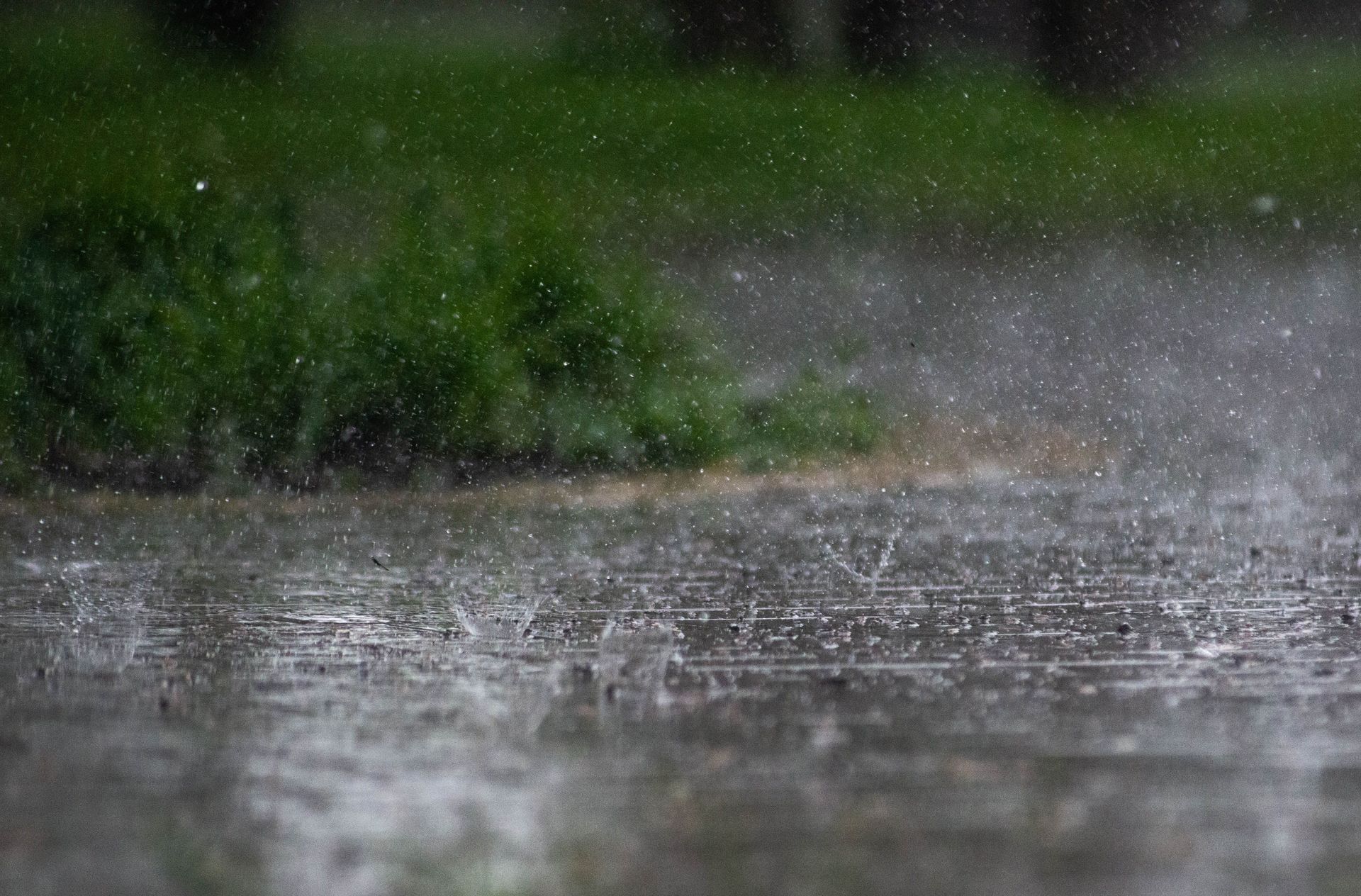
What Causes Sewer Backups During Heavy Rain?
Sewer backups occur when wastewater cannot flow properly through the sewer line and begins backing up into your home through drains, toilets, or other plumbing fixtures.
During periods of heavy rainfall, several factors can contribute to the problem:
- Overloaded municipal sewer systems: Excessive rainwater can overwhelm public sewer systems, particularly in areas where stormwater and sanitary sewage share portions of the same system.
- Tree root intrusion: Tree roots can enter small cracks or loose joints in underground sewer pipes, restricting wastewater flow.
- Clogged sewer lines: Grease, debris, wipes, and other materials can accumulate inside pipes and contribute to blockages.
- Cracked or damaged pipes: Aging, shifting, or deteriorating sewer lines may allow groundwater to enter the system or prevent wastewater from flowing freely.
- Improper drainage connections: Sump pumps, downspouts, or other drainage systems connected improperly to sanitary sewer lines can add unnecessary water to the system.
Heavy rainfall does not always cause a sewer backup on its own. However, it can expose existing plumbing problems or overwhelm a system that is already struggling.
6 Ways to Help Prevent Sewer Backups During Heavy Rain
1. Keep Gutters and Downspouts Clear
Your home's gutters and downspouts play an important role in directing rainwater away from the foundation. When they become clogged with leaves, dirt, or debris, water can collect around your home and increase the risk of basement moisture and flooding.
Clean gutters regularly and make sure downspouts discharge water away from your foundation, in accordance with local requirements. Avoid directing runoff toward neighboring properties or areas where it could cause drainage problems.
2. Maintain Proper Yard Drainage
Standing water around your foundation can create additional problems during heavy rain. Check your yard for low spots where water collects, and make sure the ground slopes away from your home where practical.
Keep exterior drains clear of leaves and debris, and address persistent drainage issues before the next major storm. If water regularly pools near your foundation, a drainage professional can help identify the underlying cause.
3. Watch What Goes Down Your Drains
Everyday household habits can contribute to sewer line blockages. Even if your drains appear to work normally, buildup inside the pipes can eventually restrict wastewater flow.
Help protect your plumbing system by following these guidelines:
- Never pour cooking grease or oil down the drain.
- Flush only toilet paper and human waste.
- Keep wipes, paper towels, feminine hygiene products, and other household items out of the toilet—even if they are labeled flushable.
- Use sink strainers to catch food scraps and other debris.
- Avoid putting excessive food waste into your garbage disposal.
Preventing clogs can reduce the risk of sewer line problems, especially when heavy rain puts additional stress on the system.
4. Schedule Routine Sewer Line Inspections
Underground sewer line problems can develop without obvious warning signs. Tree roots, corrosion, cracks, and accumulated debris may go unnoticed until wastewater begins draining slowly or backing up into the home. A professional sewer camera inspection allows a plumber to examine the inside of your sewer line and identify potential trouble spots. Depending on the findings, cleaning or repairs may help restore proper flow and reduce the risk of future blockages.
If your home has an older sewer line, a history of backups, or recurring drainage problems, consider having the line evaluated before the next heavy-rain season.
5. Consider a Backwater Valve
A backwater valve is a plumbing device designed to help prevent sewage from flowing backward into a home through the sewer line. When wastewater attempts to flow in the reverse direction, the valve can close to help block the flow. Depending on your home's plumbing configuration and local requirements, installing a backwater valve may provide an additional layer of protection against sewer backups.
A licensed plumber with JF Denney can determine whether a backwater valve is appropriate for your property and explain the installation and maintenance requirements. Keep in mind that a backwater valve cannot prevent every type of basement flooding, including water entering through walls, floors, or foundation openings.
6. Address Plumbing Warning Signs Early
Your plumbing system may show signs of a developing sewer line problem before a backup occurs. Pay attention to changes in how your drains and toilets operate, particularly after periods of heavy rain.
Common warning signs include:
- Multiple drains backing up or draining slowly at the same time.
- Gurgling sounds from toilets or drains.
- Sewage odors coming from sinks, floor drains, or the basement.
- Water appearing in basement floor drains during or after a storm.
- Repeated sewer backups or unexplained plumbing problems.
These symptoms can indicate a blockage, damaged sewer line, or another drainage issue. Addressing them promptly may help prevent a more serious problem.
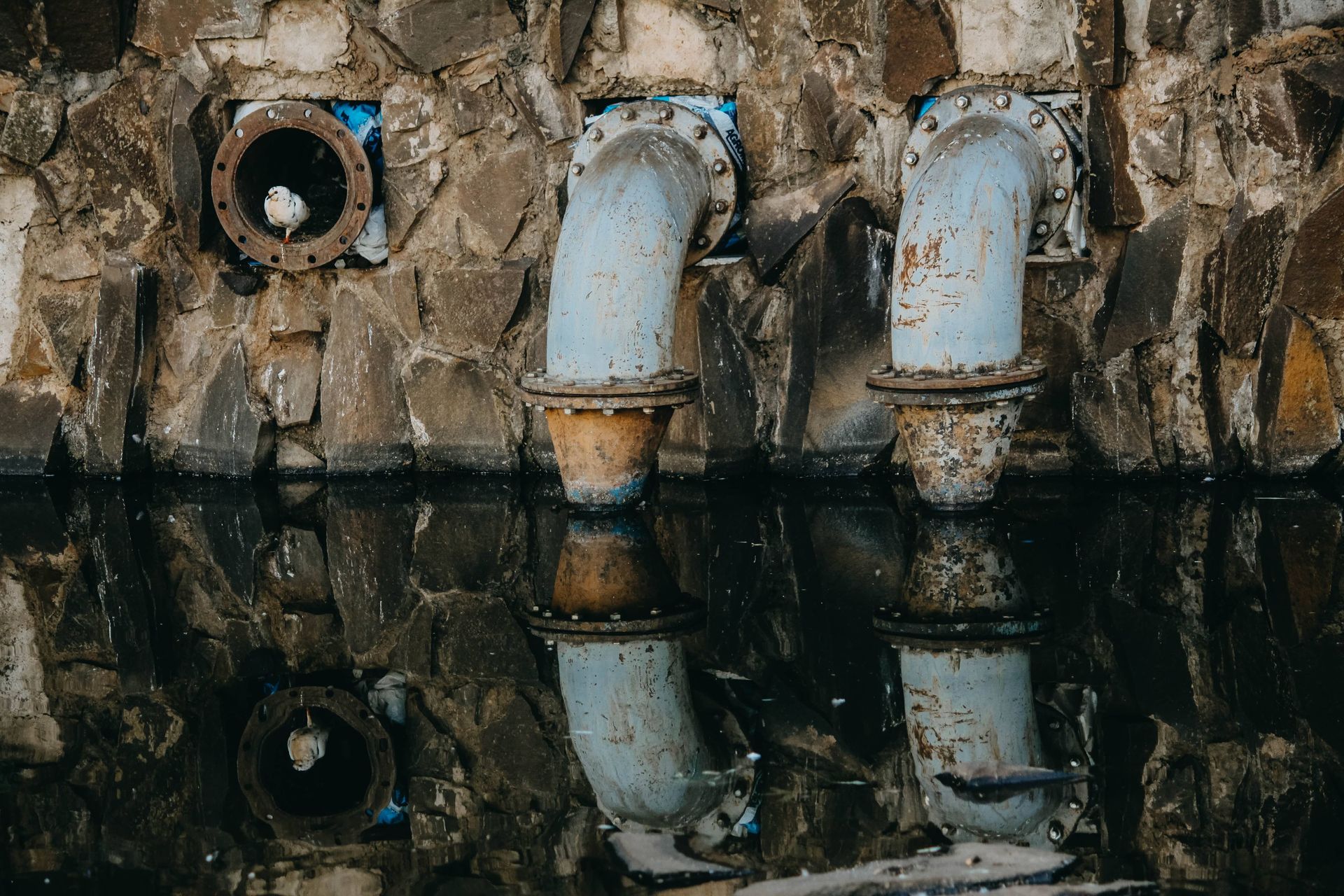
What Should You Do If Your Sewer Backs Up During a Storm?
Even with preventative maintenance, severe rainfall can still lead to sewer backups. If wastewater begins entering your home, take the following precautions:
- Stop using water when possible. Avoid flushing toilets, running washing machines, or using sinks and showers, as additional wastewater may worsen the backup.
- Keep people and pets away from contaminated water. Sewage can contain harmful bacteria and other contaminants.
- Avoid standing water near electrical equipment. Never enter a flooded basement if electrical hazards may be present.
- Contact a professional plumber. A plumber can investigate the source of the backup and recommend appropriate cleaning or repairs.
- Document the damage when it is safe. Photographs may help with insurance documentation. Contact your insurance provider to understand your coverage and cleanup requirements.
If the problem appears to involve the public sewer system, contact your local sewer utility or municipality as well.
How JF Denney Can Help Protect Your Plumbing System
When heavy rain threatens your home's plumbing, having a dependable professional to call can make a difference. JF Denney provides plumbing services to homeowners throughout the Kansas City area, helping identify plumbing problems and address sewer and drainage concerns.
Our team can help with sewer line evaluations, diagnosing recurring drain problems, and determining whether professional cleaning or repairs are needed. If you are experiencing repeated backups, slow drains, or signs of a damaged sewer line, we can help you understand your options.
Taking action before a major storm may help you avoid the inconvenience and expense of an unexpected plumbing emergency.
Don't wait until wastewater enters your home to address a potential sewer problem!

Why You Should Choose JF Denney
For more than 60 Years, JF Denney has been a top leader in plumbing and HVAC in the Kansas City Area. Being a family-owned and local company, we are committed to sending our trustworthy technicians to provide top-notch service to our customers and saving them money where it counts the most. Contact JF Denney for all of your plumbing and HVAC needs --
We work hard to earn your referral!