
Prevent Frozen Pipes During Cold Weather
When winter temperatures drop, frozen pipes become one of the most common and expensive plumbing emergencies homeowners can face. A frozen pipe can burst without any warning and lead to significant water damage, expensive repairs, and disruption to your home life.
At JF Denney, we’ve helped countless homeowners handle their frozen pipe emergencies. Now we want to be proactive and help homeowners avoid finding themselves in this situation. In this blog, we will explain why pipes freeze, how to prevent frozen pipes, and what to do if you suspect a problem.
Why Do Pipes Freeze In The Winter?
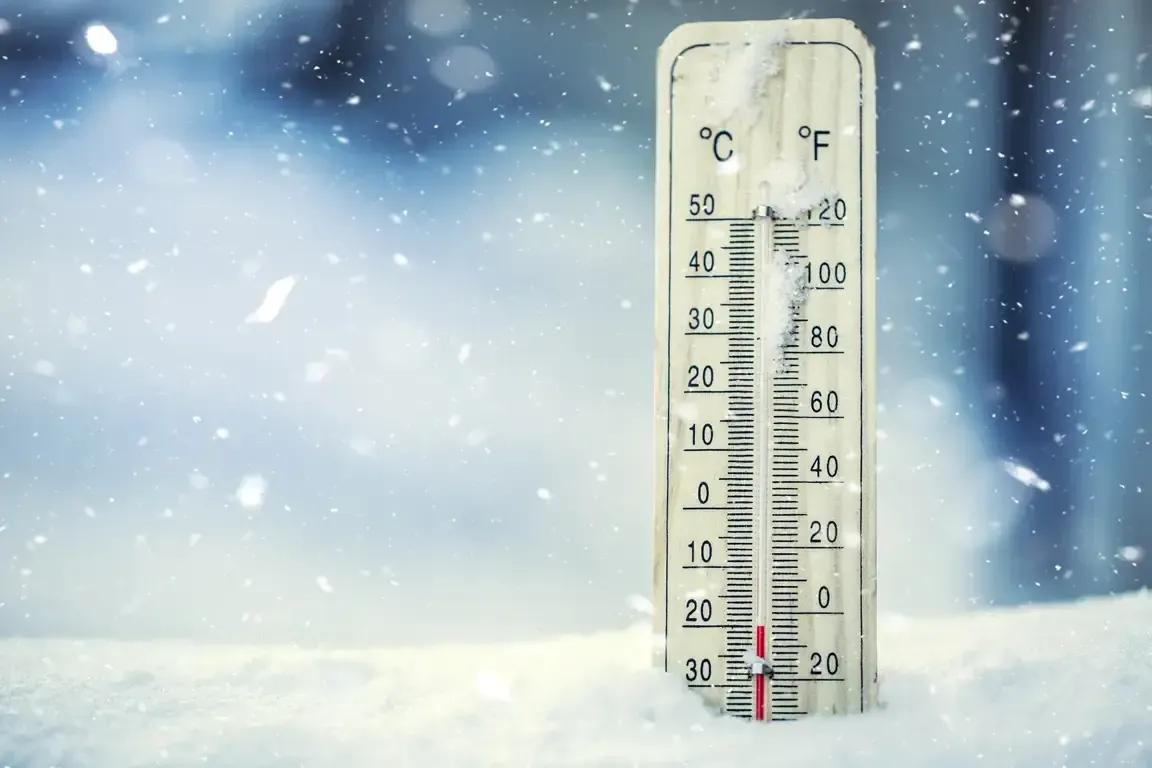
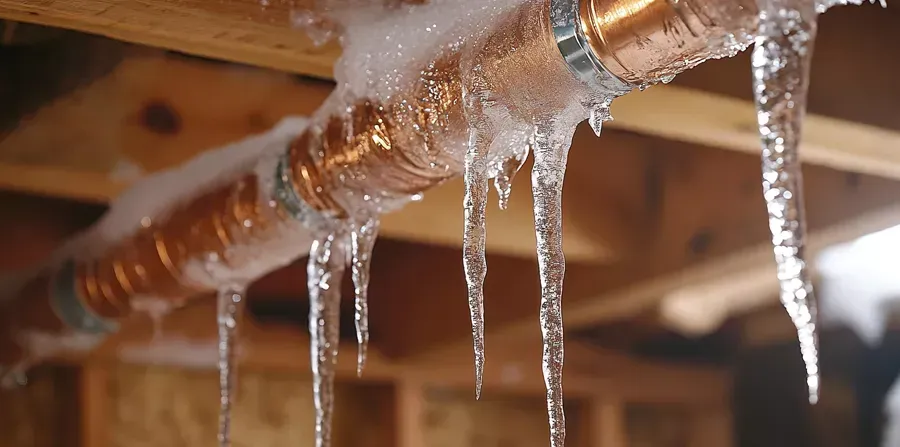
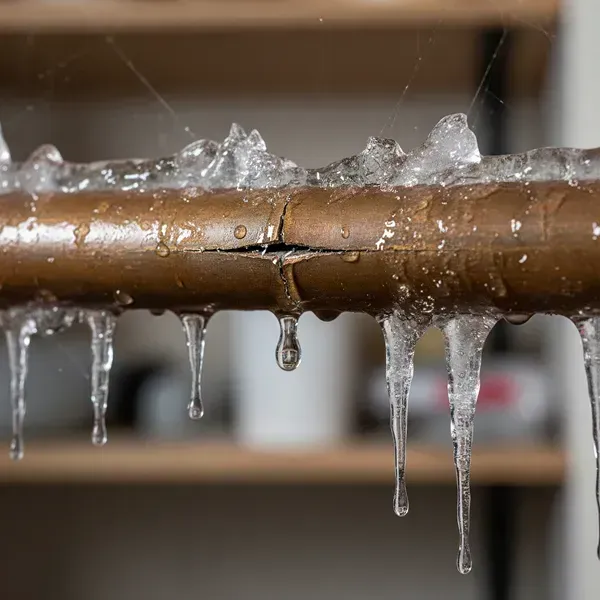
Pipes freeze when they’re exposed to temperatures below 32°F, especially when water inside the pipe isn’t moving. As water freezes, it expands, creating pressure inside the pipe. This pressure can cause the pipe to crack or burst. Sometimes this can even be further down the pipe and not in the exact area the freeze has occured.
Pipes With The Highest Risk Of Freezing
- Pipes in unheated areas (basements, crawl spaces, garages, attics)
- Pipes running along exterior walls
- Pipes near poor insulation
- Outdoor spigots
How To Prevent Frozen Pipes This Winter
Insulate Exposed Pipes
Pipe insulation is one of the most effective and affordable ways to prevent frozen pipes. Foam pipe sleeves, fiberglass insulation, or heat tape can significantly reduce the risk of freezing.
Focus on insulating pipes in:
- Basements and crawl spaces
- Attics
- Garages
- Exterior walls
Keep Your Home Warm
One of the most common causes of frozen pipes is turning the heat off completely during winter travel. Don't do this!
To protect your plumbing:
- Keep your thermostat set to at least 55°F
- Maintain consistent indoor temperatures
- Avoid large temperature swings between day and night
Extra protection tips:
- Open cabinet doors under sinks to allow warm air to circulate
- Ensure vents and registers aren’t blocked by furniture or curtains
Seal Drafts and Air Leaks
Cold air entering your home through gaps and cracks can quickly freeze nearby pipes—even if the rest of the house is warm.
Check for drafts around:
- Windows and doors
- Foundation cracks
- Utility penetrations (where pipes or wires enter the home)
- Crawl space and attic vents.
Let Faucets Drip
During cold weather snaps, letting faucets drip slightly can help prevent pipes from freezing.
Why this works:
- When water is flowing, it is less likely to freeze.
- If ice does happen to form, the moving water can help relieve the pressure buildup.
Just having a slow, steady drip can make a big difference when temperatures drop below freezing for extended periods. This is even more important when paired with pipes that lack good insulation or are located against exterior walls.
When temps are extra fridged, we would even suggest a pencil lead size stream of water. The amount of water used will be nothing compared to a big break in the line.
Disconnect Outdoor Plumbing
Outdoor plumbing is especially vulnerable in winter.
Before freezing temperatures arrive:
- Disconnect garden hoses
- Drain outdoor spigots
Frozen outdoor pipes are a leading cause of burst plumbing lines during winter.
Maintain Your HVAC System
Your heating system plays a crucial role in protecting your plumbing. If your heat fails during cold weather, pipes can freeze in just a few hours - this is why it is so important to schedule regular maintenance before things go wrong.
Prevent problems by:
- Scheduling annual HVAC maintenance with JF Denney
- Ensuring your furnace or boiler is operating efficiently
- Addressing heating issues before winter storms or cold snaps arrive
Reliable heat equals safer plumbing. Keep JF Denney in your contacts for any of your HVAC needs.
Signs You May Have A Frozen Pipe
These are warning signs that should never be ignored!
- No water or reduced flow from a faucet
- Frost on visible pipes
- Unusual smells from drains
- Visible bulging or cracking in pipes
What To Do If Your Pipes Freeze
If you suspect a frozen pipe, act quickly to minimize damage.
Immediate Steps to Take:
- Turn off the main water supply to prevent flooding.
- Open the affected faucet to relieve pressure.
- Apply gentle heat using a hair dryer, heating pad, or warm towels.
- Never use an open flame, which can damage pipes and create a fire hazard.
If you can’t locate the frozen section, notice leaks, or suspect a pipe may have burst, contact JF Denney so that we can send someone out to help minimize the damage.

Why You Should Choose JF Denney
For more than 60 Years, JF Denney has been a top leader in plumbing and HVAC. Being a family-owned and local company, we are committed to sending our trustworthy technicians to provide top-notch service to our customers. Contact JF Denney for all of your plumbing and HVAC needs --
We work hard to earn your referral!