
Common Cold Weather HVAC Problems and When to Call a Professional
Cold winter temperatures can cause your heating system to have to work much harder than normal, so when your HVAC system isn’t properly prepared for winter, small issues can quickly turn into major breakdowns. It's no surprise that these costly issues tend to happen on the coldest days of the year, either.
At JF Denney, we help homeowners stay warm and safe with reliable HVAC repair, maintenance, and emergency services. Below are some of the most common HVAC problems that occur in cold weather. We have broken it down to let you know what you, as the homeowner, can safely troubleshoot on your own, and when it’s best to call JF Denney for a licensed professional.
Common Cold Weather Issues
1. Furnace Not Producing Heat
It's the middle of winter and your heat suddenly stops working - This is a scenario that no homeowner wants to be in, but it happens more often than people may think.
Possible Causes
- Dirty or clogged air filter is restricting airflow
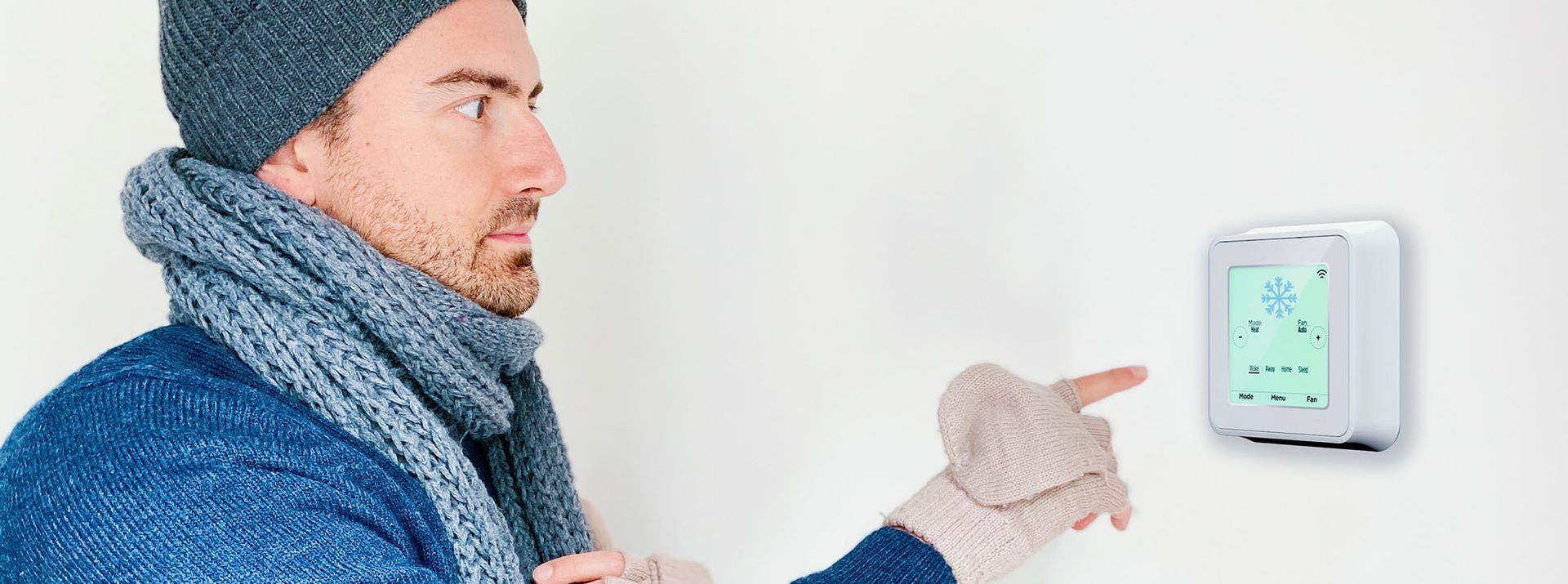
- Thermostat set incorrectly or malfunctioning
- Pilot light out (older systems) or ignition failure (newer systems)
- Tripped circuit breaker or power interruption
What You Can Try
- Confirm the thermostat is set to “heat” and the temperature is above room level
- Replace the batteries in the thermostat
- Check the air filter and replace it if it is dirty
- Make sure the furnace power switch and breaker are on
When to Call a Professional
- The pilot light won’t stay lit
- The furnace turns on but blows cold air
- The system repeatedly shuts off
- You smell gas, burning, or sulfur-like odors
Gas-related or ignition issues should always be handled by a licensed HVAC professional for safety reasons. Never try to handle these on your own.
2. Uneven Heating Throughout the Home
If some rooms feel warm while others remain cold, your HVAC system may be struggling to distribute heat properly.
Possible Causes
- Blocked or closed vents and registers
- Dirty air filters reducing airflow
- Leaky, poorly insulated, or improperly sized ductwork
- Inadequate insulation in certain areas of the home
What You Can Try
- Make sure all vents and registers are open and unobstructed
- Replace the air filter
- Keep interior doors open to improve airflow
- Check for any drafts near windows and doors
When to Call a Professional
- Certain rooms remain consistently cold
- Airflow feels weak or uneven
- You suspect duct leaks or insulation problems
- Issues persist after basic troubleshooting
3. Furnace Running Constantly
A furnace that runs nonstop is a sign that something is preventing it from reaching the desired temperature, leading to increased energy costs.
Possible Causes
- Poor insulation or excessive heat loss
- Dirty filters forcing the system to work harder
- Thermostat set too high or programmed incorrectly
- Aging or undersized heating equipment
What You Can Try
- Replace the air filter
- Lower the thermostat by a degree or two
- Seal drafts around doors and windows
- Use a programmable or smart thermostat
When to Call a Professional
- The furnace never shuts off
- Heating bills increase unexpectedly
- The system short-cycles or overheats
- Your home never reaches the set temperature
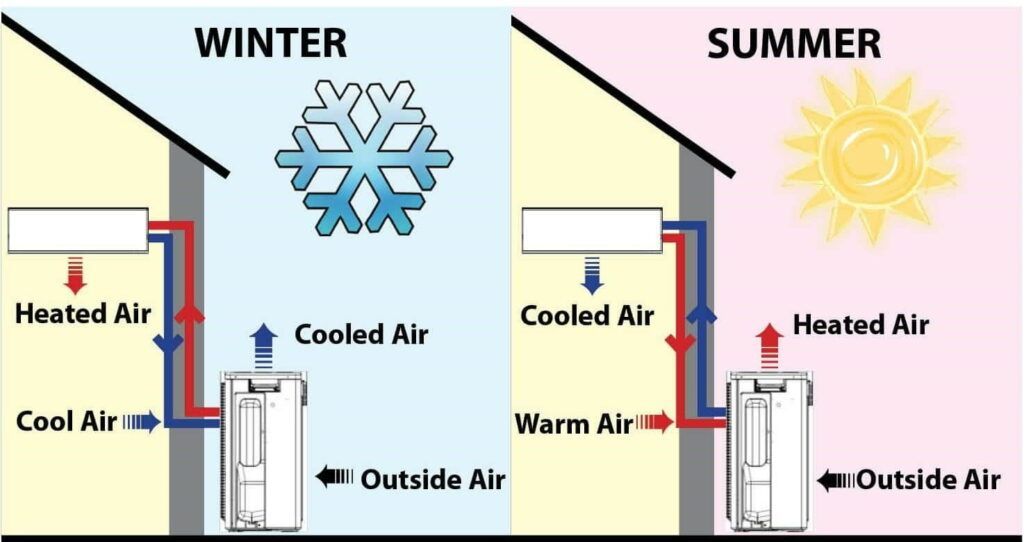
4. Heat Pump Freezing or Icing Over
Heat pumps are efficient in cold weather, but ice buildup can be a serious issue.
Possible Causes
- Restricted airflow due to snow, ice, or debris
- Defrost cycle malfunction
- Low refrigerant levels
- Mechanical or sensor failure
What You Can Try
- Carefully remove snow and ice from around the outdoor unit
- Maintain at least 18–24 inches of clearance
- Check that nothing is blocking airflow
- Switch the system to defrost mode if available
When to Call a Professional
- Ice buildup does not melt
- The system blows cold air indoors
- The heat pump repeatedly freezes
- You notice reduced efficiency or frequent shutdowns
5. Strange Noises from Your Heating System
Unusual sounds often indicate mechanical stress or airflow problems.
Common Sounds and What They Mean
- Banging or popping: Expanding ductwork, loose components, or sediment buildup
- Whistling: Restricted airflow or clogged filters
- Grinding or screeching: Worn bearings, belts, or motor components
What You Can Try
- Replace the air filter
- Check vents and registers for obstructions
When to Call a Professional
- Loud, persistent, or worsening noises
- Grinding or metal-on-metal sounds
- New noises you’ve never heard before
Ignoring these sounds can lead to major mechanical failure.
6. Rising Energy Bills During Winter
Higher heating costs are common in winter—but sudden increases may signal that your HVAC system is having issues.
Possible Causes
- Aging or inefficient heating system
- Dirty filters or restricted airflow
- Heat loss through air leaks or poor insulation
- Malfunctioning thermostat
What You Can Try
- Change air filters regularly
- Use a programmable or smart thermostat
- Seal drafts and improve insulation
When to Call a Professional
- Energy bills spike without increased usage
- The system struggles to maintain temperature
- Your HVAC system is 10–15+ years old
- Efficiency continues to decline
7. Thermostat Not Responding Properly
Your thermostat is the control center of your HVAC system—when it fails, your comfort suffers.
Possible Causes
- Dead batteries
- Poor placement near drafts or heat sources
- Wiring issues
- Calibration problems
What You Can Try
- Replace thermostat batteries
- Check settings and programming
- Make sure the thermostat is level and unobstructed
When to Call a Professional
- Thermostat doesn’t communicate with the system
- Indoor temperature doesn’t match settings
- System turns on and off erratically
- You’re upgrading to a smart thermostat
When It’s Time to Call an HVAC Professional
You should always call a professional if you notice:
- No heat during freezing temperatures
- Gas odors or burning smells
- Frequent system shutdowns
- Electrical, ignition, or safety issues
- Problems that keep returning or worsening
Why You Should Choose JF Denney
For more than 60 Years, JF Denney has been a top leader in plumbing and HVAC in the Kansas City Area. Being a family-owned and local company, we are committed to sending our trustworthy technicians to provide top-notch service to our customers and saving them money where it counts the most. Contact JF Denney for all of your plumbing and HVAC needs --
We work hard to earn your referral!