
What Is Chloramine—and What Does It Mean for Your Home’s Water?
Several local utilities use chloramine. Already have a whole-house dechlor? Learn when its carbon may need a swap. Still exploring your options? See how whole-house treatment can fit your home.
A lasting disinfectant
Chloramine helps control germs as water travels through the distribution system.
Keep its carbon working
Know your last swap date, watch for changes and have performance checked. Applicable KMP coverage includes carbon replacement.
Find the right fit
A separate whole-house system or a softener-and-dechlor combo can address needs beyond a drinking-water faucet.
What is chloramine, and why is it in tap water?
Chloramine is a disinfectant usually made by combining chlorine with a small amount of ammonia. Drinking-water treatment generally uses a form called monochloramine.
Its staying power is useful: it continues helping control germs as water moves from the treatment plant through miles of pipes. EPA considers water containing chloramine that meets its regulatory standards safe for drinking, cooking, bathing and other household uses. [1]
Choosing home treatment can still make sense for your preferences and your household’s water setup. Start with two things: what your utility uses and what the equipment in your home is designed to do.
Where is chloramine used around Kansas City?
These are utility-specific examples from the five counties we serve. Your water provider matters more than your county line. Check the name on your water bill, especially if you buy water through a city or rural water district.
Leavenworth County, KS
Leavenworth Waterworks normally uses chloramine and typically runs a temporary free-chlorine switch each fall as part of routine system maintenance (most recently September 8–30, 2026). A seasonal disinfectant change can explain a change in taste or smell. Check Waterworks’ current notice for the next scheduled switch. [2]
Wyandotte County, KS
BPU’s 2026 Water Quality Report lists an average chloramine concentration of 2.49 parts per million for 2025. That is a utility report result, not a measurement of the water at your tap today. [3]
Johnson County, KS
WaterOne identifies monochloramine as its disinfectant. Not every Johnson County home is a WaterOne customer; use your own provider’s report if you are served by Olathe or another system. [4]
Cass County, MO
Harrisonville’s treatment description in a December 2023 Missouri DNR approval lists chloramines as a treatment step. It documents the system’s treatment approach, not a current concentration for every Cass County community. [6]
Clay County, MO
Liberty began using monochloramine on December 1, 2014. The city also notes that customers supplied with purchased Kansas City water were already receiving water treated with monochloramine. [5]
Sources checked November 18, 2026. Report publication years and sampling years are not always the same. Treatment can change; your utility is the source for current operating information.
Already have a dechlor? Keep its carbon working.
Many of our KMP members already have a whole-house dechlorinator, or “dechlor.” If that’s you, the next step is keeping up with its carbon replacement.
The carbon inside your system has a working life. That applies whether it is in a separate tank or part of a combination system such as the Q850. [9] [11]
J F Denney’s general planning recommendation is to replace whole-house carbon every 5–7 years, with testing to identify earlier replacement needs. That is not a guaranteed lifespan for every carbon or chloramine system: the media, incoming disinfectant level and household water use all matter. [8]
Keep the installation and last carbon-change dates with your service records. A change in taste or smell is a reason to call, but the calendar or your senses alone cannot confirm how well the media is performing. Periodic testing helps assess treatment performance. [9]
Your KMP helps keep that care simple
When your KMP includes your whole-house carbon system, the carbon replacement service that normally costs $800 is included. Have a softener-only or RO-only plan? We can explain the coverage that applies if you add a whole-house system.
Not sure when your last dechlor swap or carbon replacement was done? Ask your Kinetico Service Professional to check the service history and help determine whether it is time for testing or a swap.
Ask about your dechlor · 913.772.8994Don’t have a dechlor yet? Here’s where it fits.
If your home currently has only a softener or an RO drinking-water system, whole-house chloramine reduction may be a useful addition. Each type of equipment has a different job.
A water softener
A softener addresses hardness minerals. Softening alone is not a chloramine-reduction treatment; a combination system may include a separate carbon stage.
An under-sink RO
A reverse-osmosis system treats water at the outlets connected to it. Its chloramine performance depends on the model and filters; it does not automatically treat your showers and every faucet.
Whole-house carbon
A properly selected chloramine-reduction system treats incoming water before it reaches the household plumbing it serves. It can work alongside a softener and drinking-water system.
Meet the Kinetico CRS 1060 Chloraban®
For a home that already has a softener or RO, the CRS 1060 Chloraban offers a separate whole-house treatment option. Its catalytic carbon is designed to reduce chloramine and chlorine. [7]
Its single-tank design can be installed alongside a Kinetico water softener. Your Kinetico Service Professional should check your water chemistry and household flow needs before recommending a system size. [7]
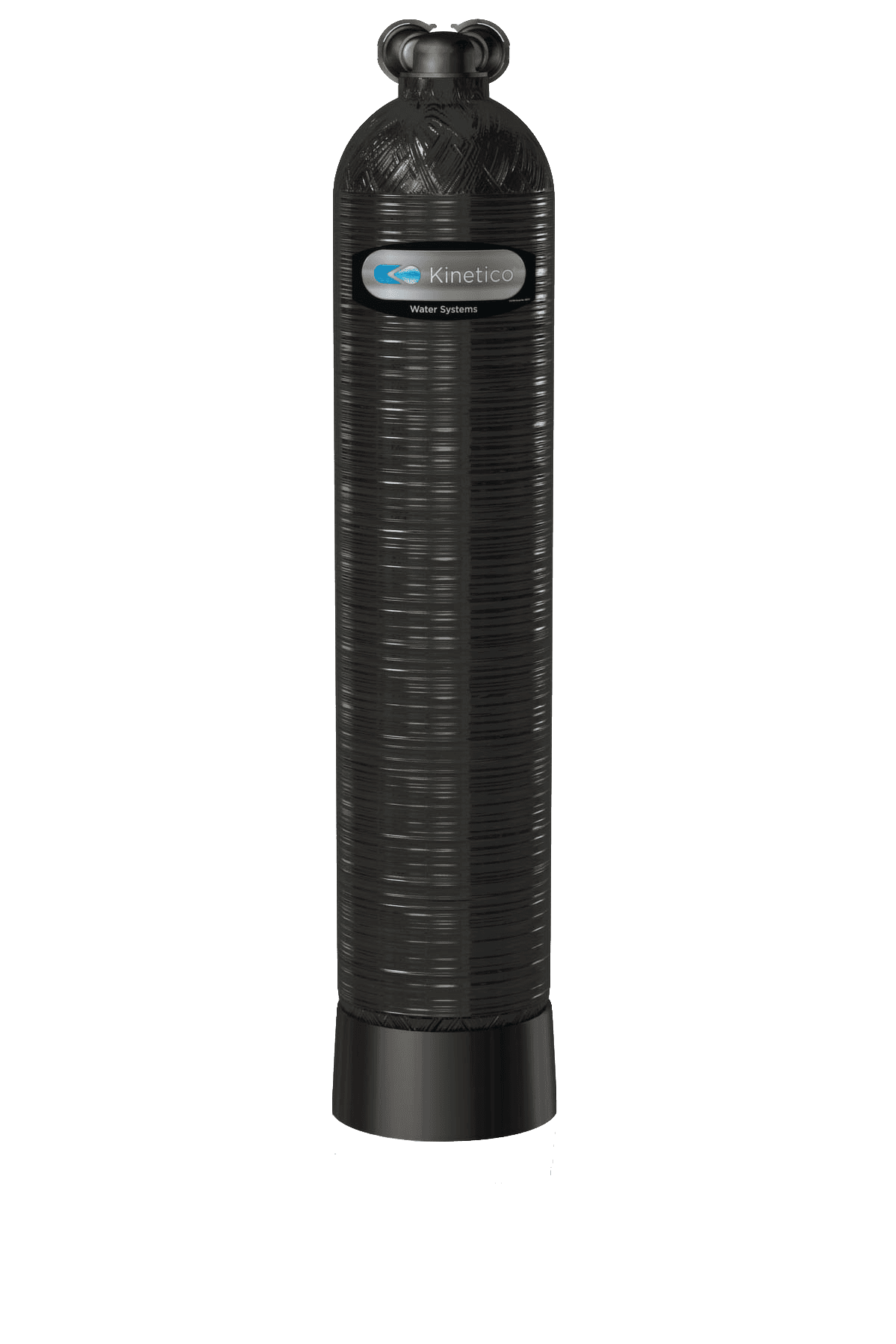
Representative Kinetico 1060 photo.
Meet the Kinetico Q850 Combo
Want softening and whole-house chloramine reduction together? The Kinetico Premier XP® Q850 OD XP with Chloraban® combines a water softener with two tanks of Chloraban filtration media in one combination system. [11]
It’s our premium option for customers looking to address hardness and add whole-house filtration together. We’ll review your water and household needs to help you compare it with a separate dechlor system.
Already own a Q850 Combo? Its carbon still needs periodic replacement. Keep its service history on your radar, too. [11]
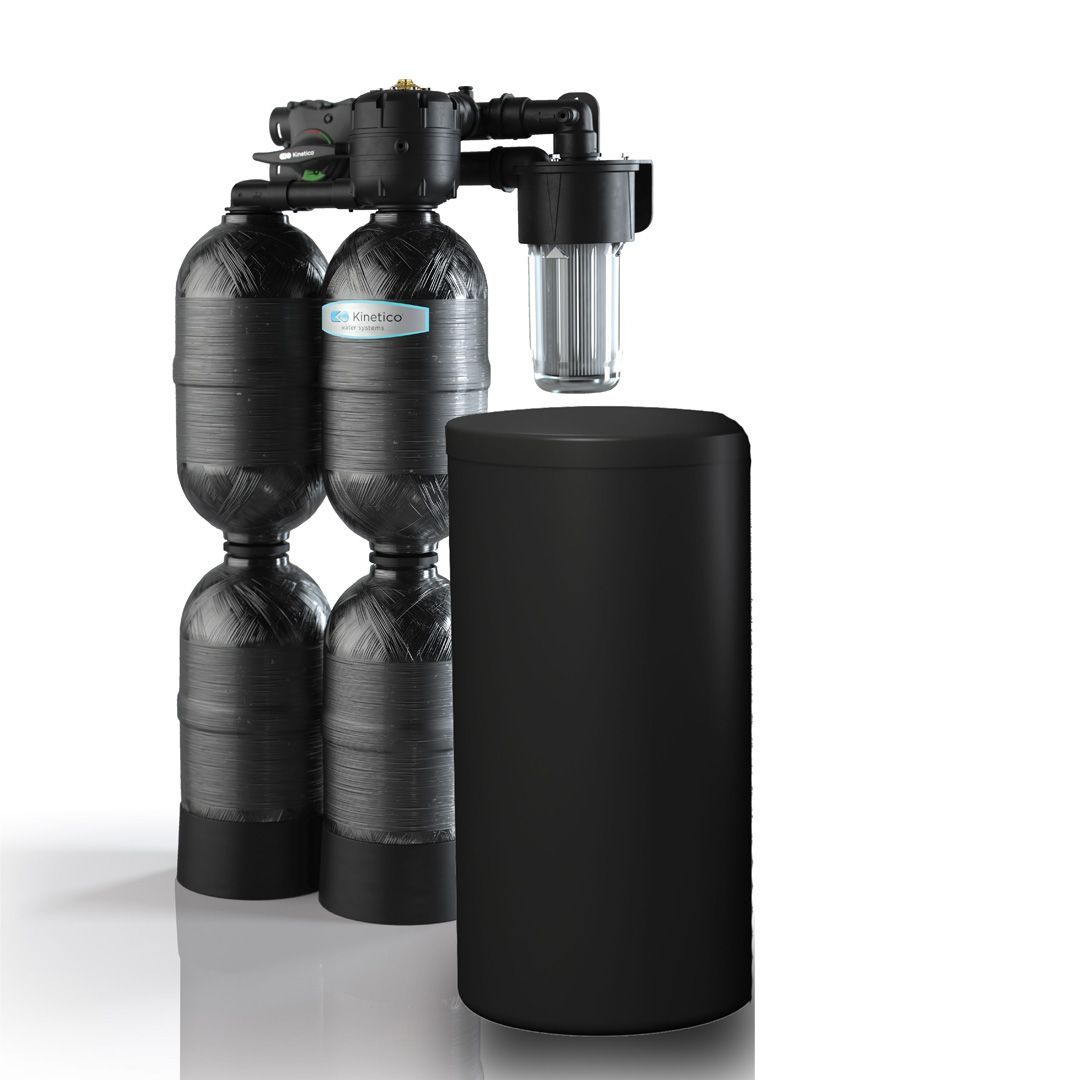
Your system’s appearance may vary by age and installation. Not sure which model or media you have? Send us a photo of your equipment and label, and we can help identify it.
Carbon selection matters. A standard chlorine-reduction filter and a chloramine-reduction system are not interchangeable claims; the media, contact time and flow all affect performance. [7] [9]
Common questions about chloramine
Is chloramine the same as chlorine?
No. Utilities may use free chlorine or chloramine for disinfection. Chloramine generally lasts longer in the distribution system, and home filters need to be selected for the disinfectant actually present. [1] [9]
Does every home in my county receive the same water?
No. Counties can contain multiple utilities and rural water districts. Start with your water bill and your provider’s water quality report.
Does a carbon tank remove hardness too?
A dedicated carbon tank treats a different water concern from a softener. A combination system such as the Q850 brings softening and carbon filtration together, using separate treatment media. [11]
Does every KMP include whole-house carbon replacement?
The benefit applies when your maintenance plan covers that whole-house system. Call us to check your equipment and plan before assuming an additional system is included.
A little attention now keeps your water care on track.
Already have a dechlor? Let’s check its last swap date and service needs. Considering one? We can walk through the 1060 and Q850 Combo options for your home.
More from The Water Drop: PFAS in drinking water